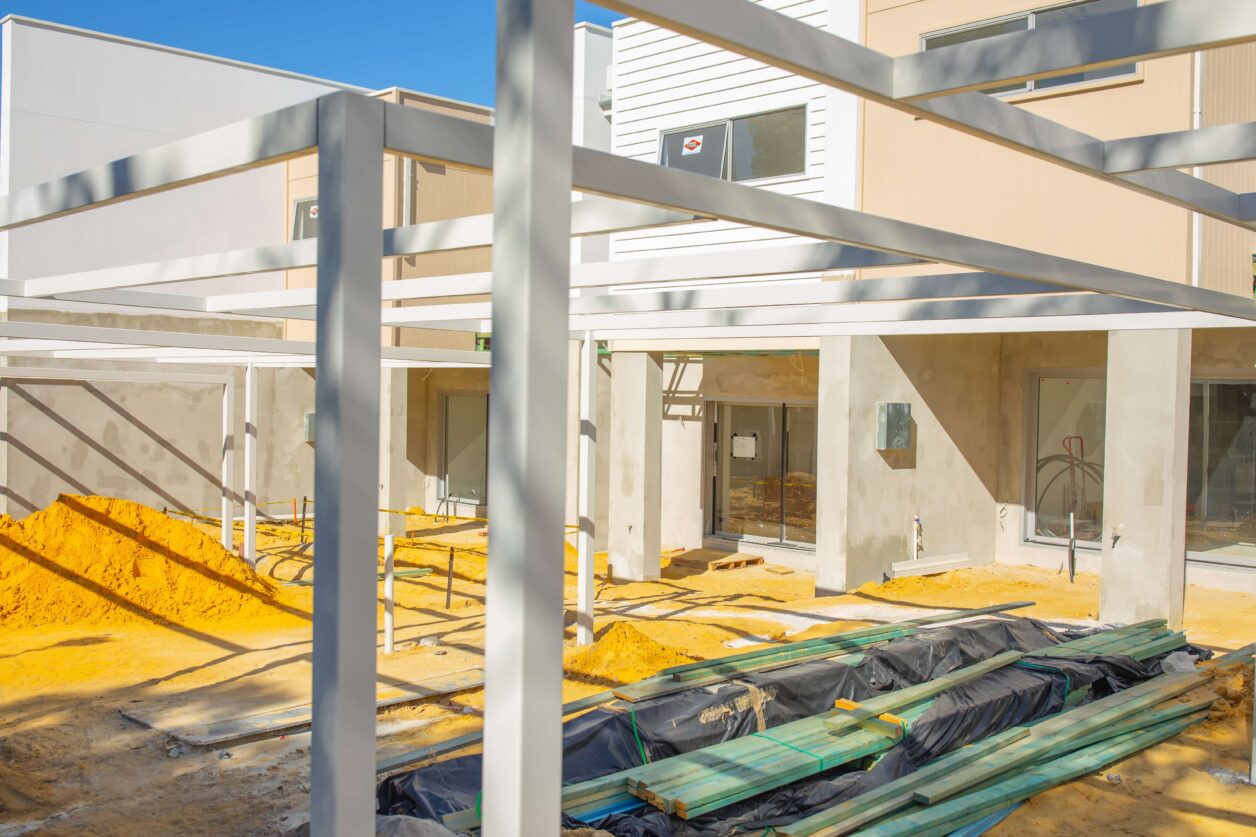
Regulations and restrictions shape every successful patio project in Western Australia. If you want a space that adds value, passes council checks, and thrives in our climate, you need to understand three pillars: setbacks, fire separation, and bushfire zones. This guide breaks them down in plain English, so you can design with confidence and move from concept to backyard bliss without drama. Read on to learn the core regulations and restrictions without the jargon.
Setbacks dictate where your patio can sit on the block, fire separation keeps neighbouring properties safer, and Bushfire Attack Level ratings influence materials and detailing. Together, these elements create the practical framework of regulations and restrictions that turn a great design into an approved project.
A setback is the minimum distance your patio must sit from a boundary or another structure. Councils use them to protect privacy, ensure access for maintenance, and keep streetscapes consistent. In many suburbs, rear and side setbacks vary with lot size and zoning, so do not assume your neighbour’s layout matches yours. Measure boundaries carefully and sketch your intended roofline and posts to scale. If the patio roof will overhang gutters or eaves, include that projection in your measurements, because the edge of the roof can be the critical point for regulations and restrictions in this category.
Corner blocks and battle axe lots need extra attention. Street setbacks can be stricter on the secondary frontage, and truncations near driveways may constrain column placement. If you are planning an attached patio, check how the existing dwelling’s walls and eaves interact with the new roof. Small changes in beam height or post spacing can help you meet the setback line without compromising usable area. When space is tight, consider a skillion or flat-pan profile that hugs the boundary more neatly than a high gable.
Fire separation rules aim to reduce the chance that flames can leap from one building to another. Your patio design should avoid creating a pathway for fire through gaps, vents, or combustibles. Non-combustible roofing, metal posts, and steel beams make compliance simpler, and they pair beautifully with modern finishes available in Perth. Where a patio roof sits close to a boundary or to a neighbouring habitable room, you may need fire resistant cladding, a fire rated wall, or specific clearances for openings. Doors and windows under the patio roof might also require protection if the roofline concentrates heat against the wall in a fire event. This is one area where regulations and restrictions work in your favour, guiding smarter material choices.
A smart approach is to keep ignition sources away from boundaries. Place barbecues and outdoor heaters toward the centre of the space, and integrate a solid, easy-to-clean splashback behind the barbecue to reduce risk and maintenance.
Many WA suburbs are mapped with Bushfire Attack Levels, or BAL ratings, that set requirements for ember attack, radiant heat, and direct flame exposure. If your property carries a BAL rating, your patio materials and detailing must reflect that rating. For example, ember screening on roof ventilation can stop embers lodging in the structure. Gaps at ridges, valleys, and gutter lines should be minimised or sealed using compliant mesh. Choose non-combustible roofing and consider metal privacy screens instead of timber slats where the BAL requires it. In short, BAL drives a specific set of regulations and restrictions that influence roofing, fixings, and even decorative elements.
Start with a concept layout that places the patio where it best serves the home and garden. Overlay the setback lines from your title plan, then confirm any local variations in your local planning policy. Adjust the roof area and post layout so structural members sit inside the setback envelope. Once the footprint is right, assess fire separation by checking distances to boundaries and nearby openings. If your clearances are tight, upgrade to non-combustible elements or add a compliant barrier. Finally, apply your BAL rating to choose roofing, fixings, and screens that satisfy bushfire provisions. This step by step process aligns design with the relevant regulations and restrictions before you lodge anything.
Councils usually want scaled drawings showing plan, elevation, and section views. Include boundary distances, roof heights, post sizes, and connection details. If the patio is attached to the dwelling, show how the new roof connects to the existing structure. Engineers may be required for wind loads along the coast or on exposed sites. A complete, accurate package gets you through approvals faster and helps installers price the job precisely. Think of documentation as your proof that the design meets all regulations and restrictions, which saves time and avoids redesigns.
Steel framed patios with insulated or single skin metal roofing are popular in WA for good reason. They provide excellent strength to weight, span well over alfresco areas, and make it simpler to achieve fire separation distances. Where aesthetics call for warmth, add composite decking underfoot and external grade feature panels that meet the relevant fire performance. For gutters, choose profiles that shed debris freely and pair them with ember guards in bushfire zones. Downpipes should discharge to ground or to drainage, not onto neighbouring properties. These specifications sit neatly within typical regulations and restrictions, while delivering durability and a clean finish.
Surface mounted LED strip lighting inside a sealed channel delivers a tidy look and avoids parts that can trap embers or insects. If you are running power to fans, heaters, or blinds, plan conduits and isolation switches early, and keep cable routes away from boundaries where extra fire protection might otherwise be needed. Automation for blinds and louvres is a brilliant upgrade in Perth’s variable weather. Plan placement and mounts so the extras do not trigger additional regulations and restrictions on fire safety or setbacks.
Firewise planting with low resin species and tidy mulching helps in bushfire zones. Keep garden beds and timber features away from boundaries where heat can intensify. Pavers or aggregate concrete around posts make maintenance simple and reduce combustible load. If privacy is a priority, consider metal screening panels mounted on the patio frame rather than tall boundary fences that could conflict with height limits. These choices support comfort while aligning with the surrounding regulations and restrictions that apply to boundaries and materials.
Budget planning is easier when you understand the compliance levers. Size and height drive materials and engineering costs. Non-combustible upgrades add a little but tend to save headaches at approvals. Complex sites may require a bushfire consultant or additional documentation. Build a small contingency for council feedback so you can tweak post locations or roof pitch without stress. The quickest wins usually come from tightening the design to fit the setback envelope and choosing compliant materials from the start, which keeps you aligned with core regulations and restrictions.
The best patios feel custom yet flow naturally from the home. When setbacks, fire separation, and bushfire detail are considered early, the result looks intentional, not compromised. Work with designers who know local councils and who can translate technical clauses into practical decisions on column spacing, roof profiles, and fixings. You will enjoy smoother approvals, cleaner installation, and a patio that performs for decades in WA conditions.
Setbacks define your footprint and govern how close you can build to boundaries. Fire separation reduces risk between structures through smart clearances and non-combustible selections. Bushfire zones introduce BAL driven specifications that guide roofing, screening, and detailing. Treat these as a single set of regulations and restrictions that steer the design, not hurdles to creativity.
Ready to design your compliant patio in WA?
Book a free on site measure and quote with our team, and get drawings, selections, and support that align with local regulations and restrictions from day one. Let us help you create a beautiful, durable outdoor space that sails through approvals and looks incredible for