
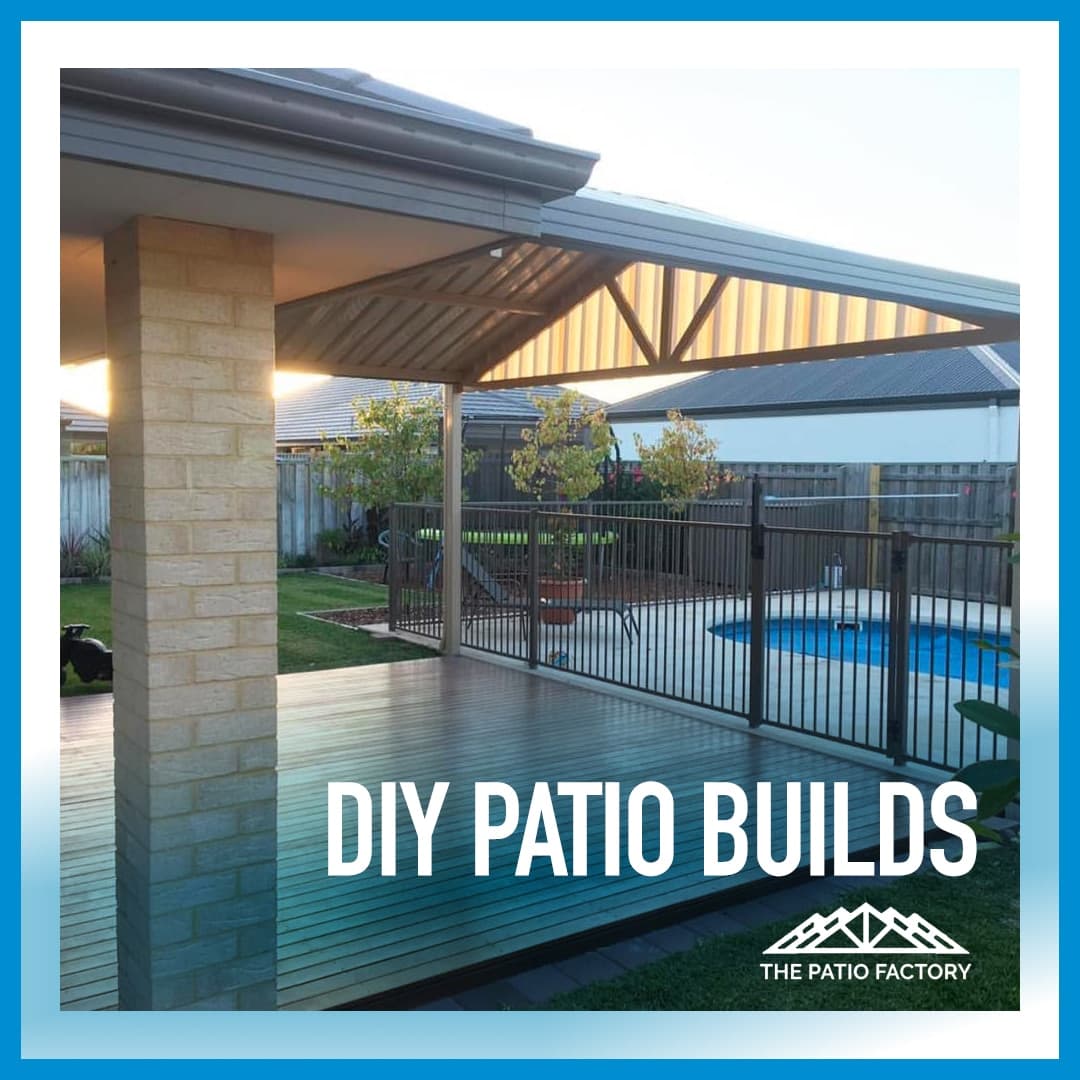
DIY Patio Kits — Perth & WA
Build it yourself. Save thousands. Look like a legend.
Factory-direct DIY patio kits — pre-cut, pre-drilled, engineer approved. Delivered to your door anywhere in Perth and regional WA.

WHY CHOOSE A DIY KIT?
Why Choose DIY Patios Over Fully Installed?
There's nothing more satisfying than installing a new feature in your home yourself — and going the DIY route is an excellent way to save money. Parts are pre-measured and pre-cut with ready-drilled holes. You can avoid the hassle of sourcing individual materials and tools, and you don't have to risk dealing with unreliable contractors.
Whether you have an outdoor space you aren't quite sure what to do with, or you're a weekend warrior looking for the next big project — a DIY patio may be the perfect thing for you.
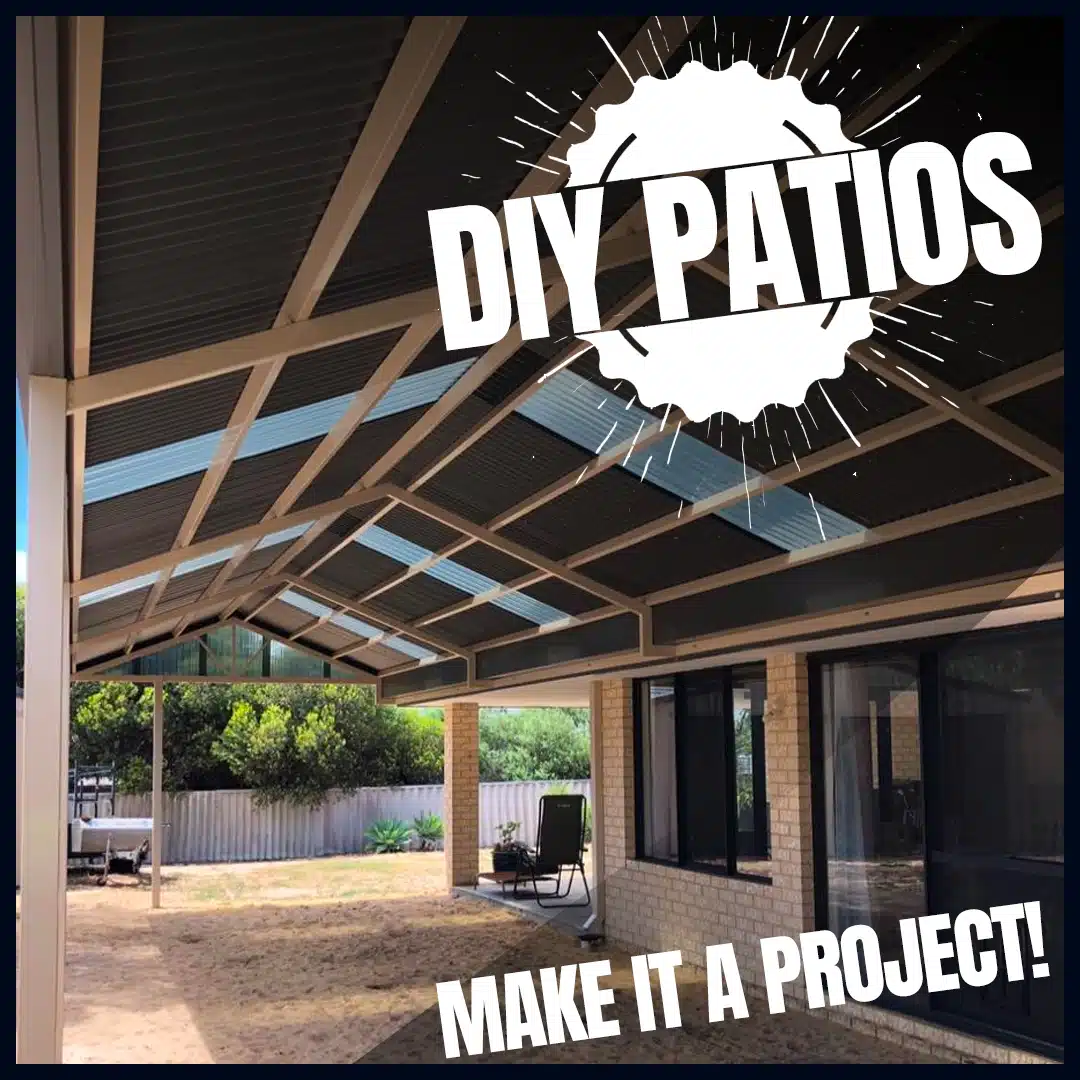
Everything Included
Steel posts and beams, roofing, fixings, brackets and installation instructions. No hardware store runs.
Pre-Cut & Pre-Drilled
Every piece arrives cut to your exact design with ready-drilled holes. No measuring, no cutting on site.
Engineer Approved
Every kit is structurally engineered to meet Australian wind-loading standards (AS/NZS 1170.2), with stamped drawings supplied for your council or private certifier application.
Factory-Direct Price
No middlemen, no markup. Australian-made materials at wholesale rates, delivered to your door.
Ready to design your perfect patio?
Tell us your dimensions and we'll design your DIY kit — factory-direct pricing, delivered anywhere in Perth and regional WA.
Get a Free QuoteSEE THE RESULTS
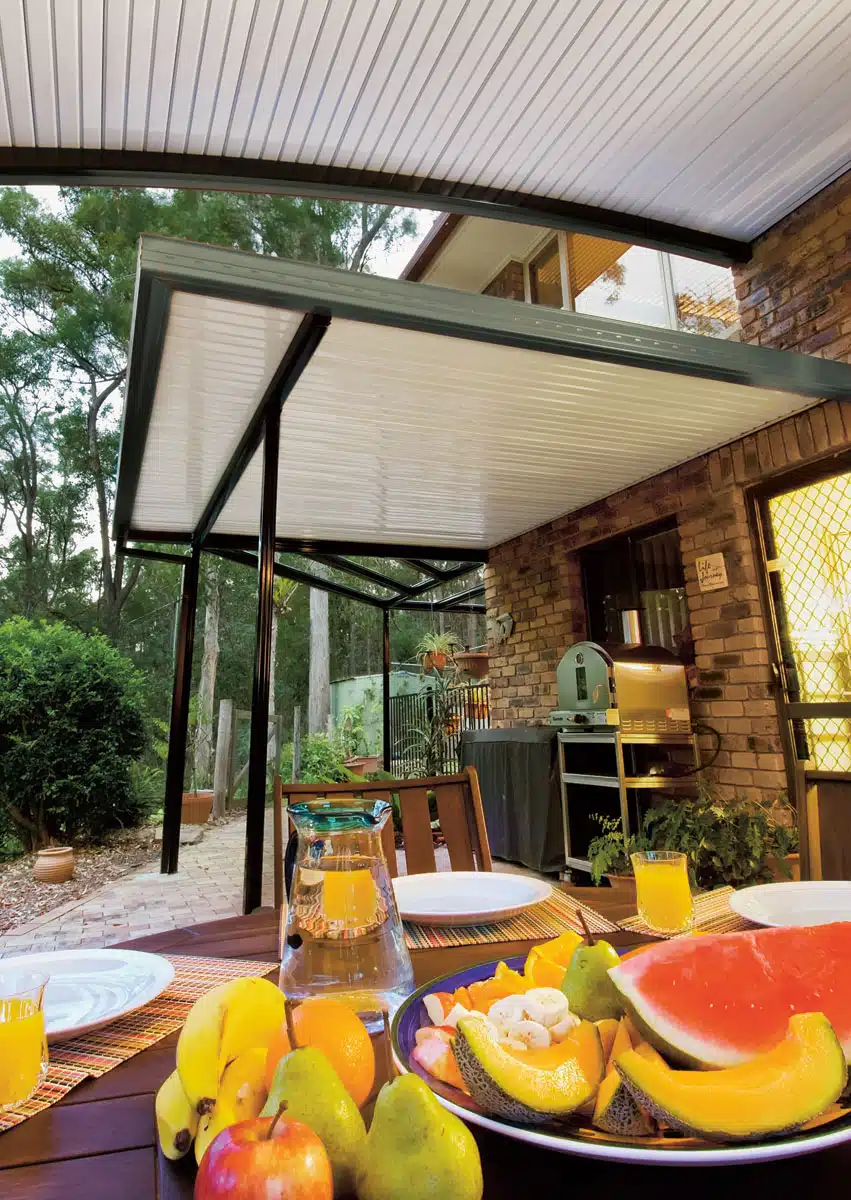
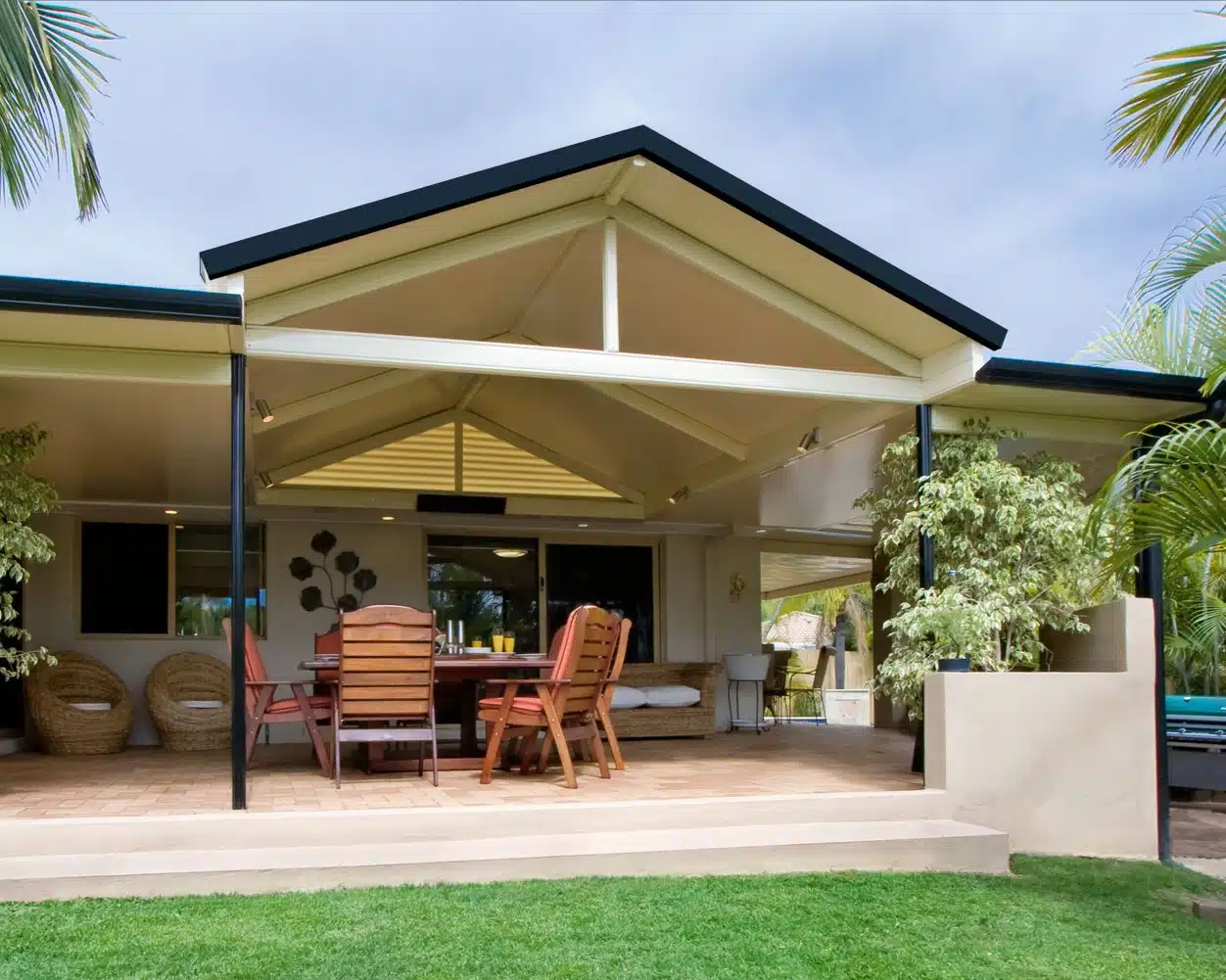
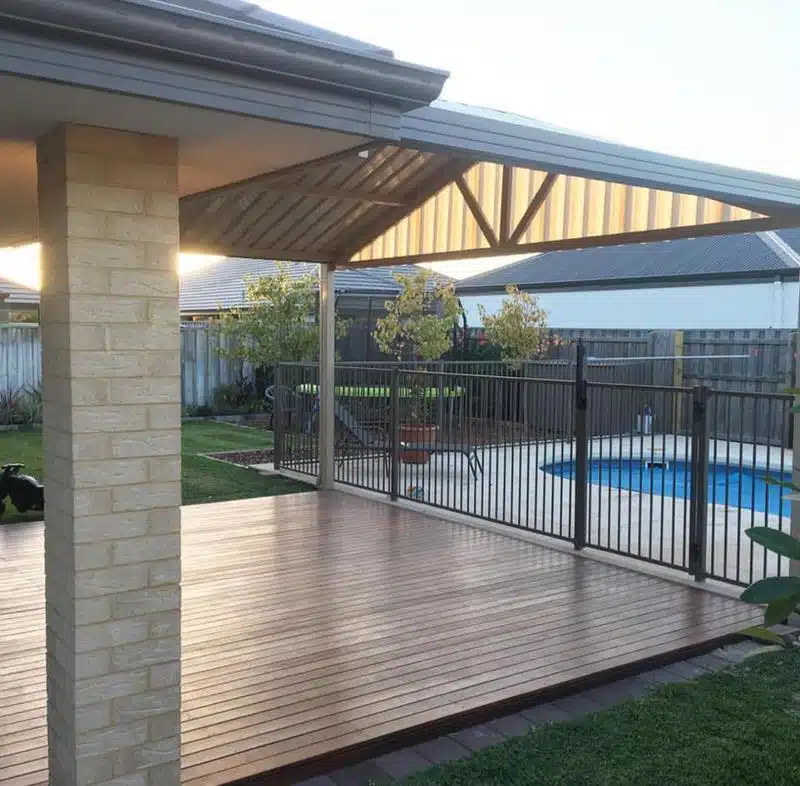
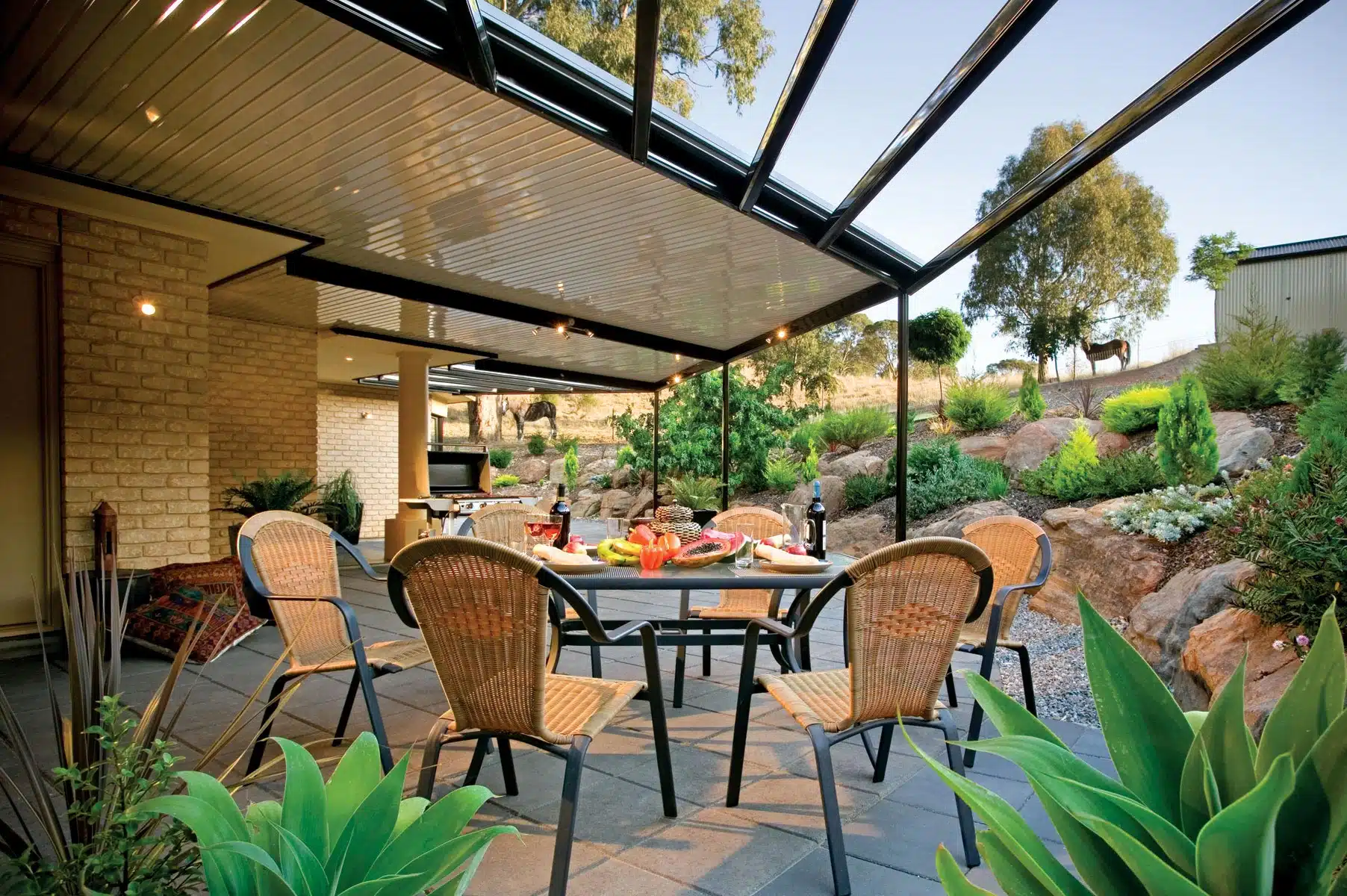
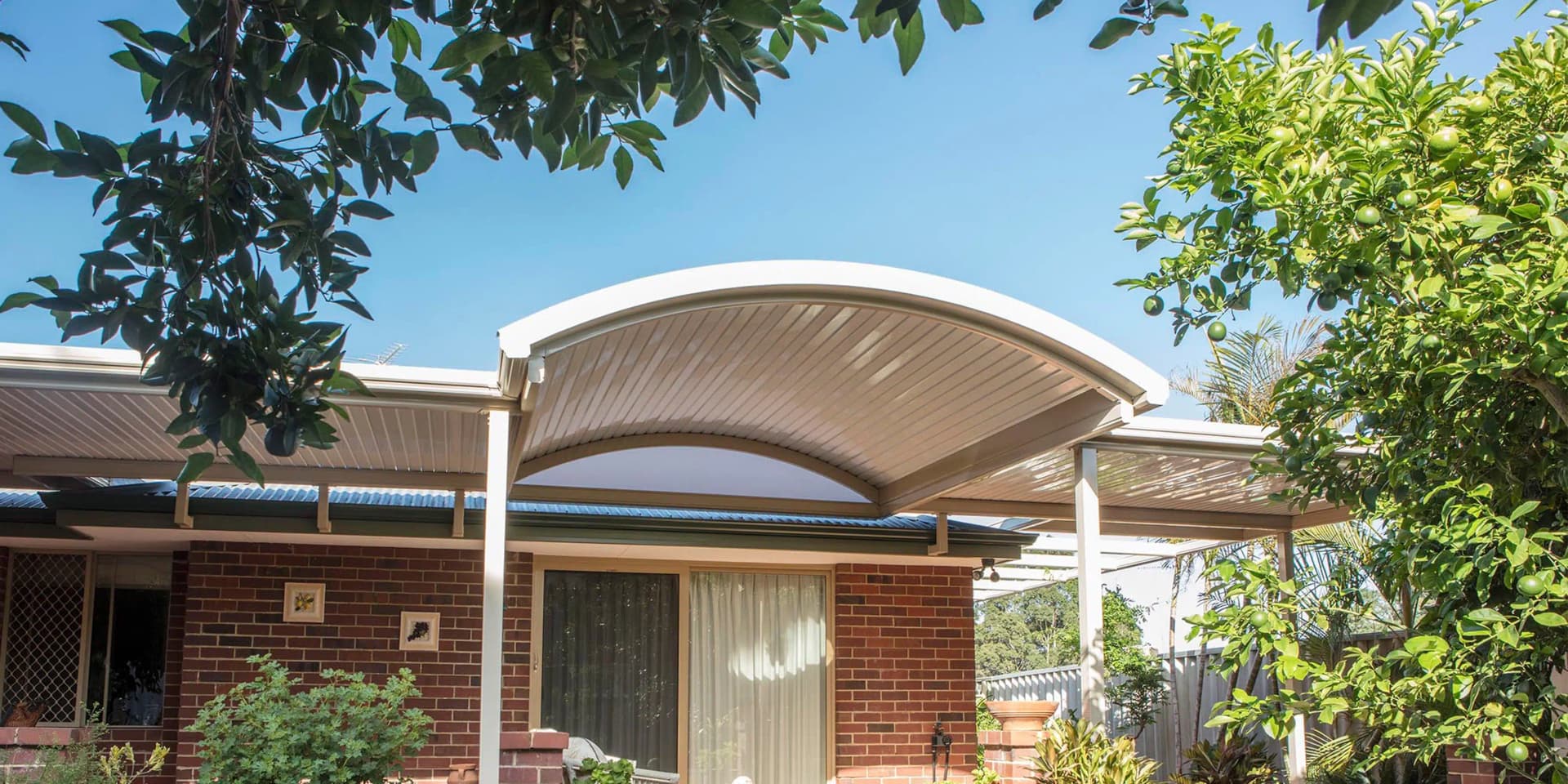
DIY patio kits built by Perth families.
BUYING GUIDE
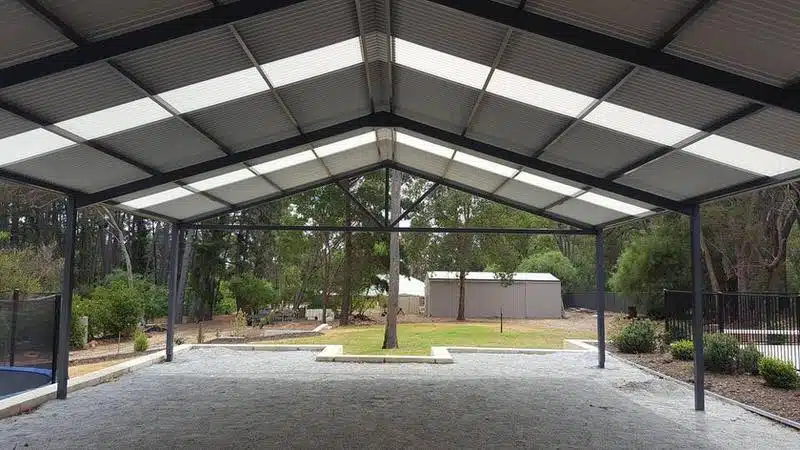
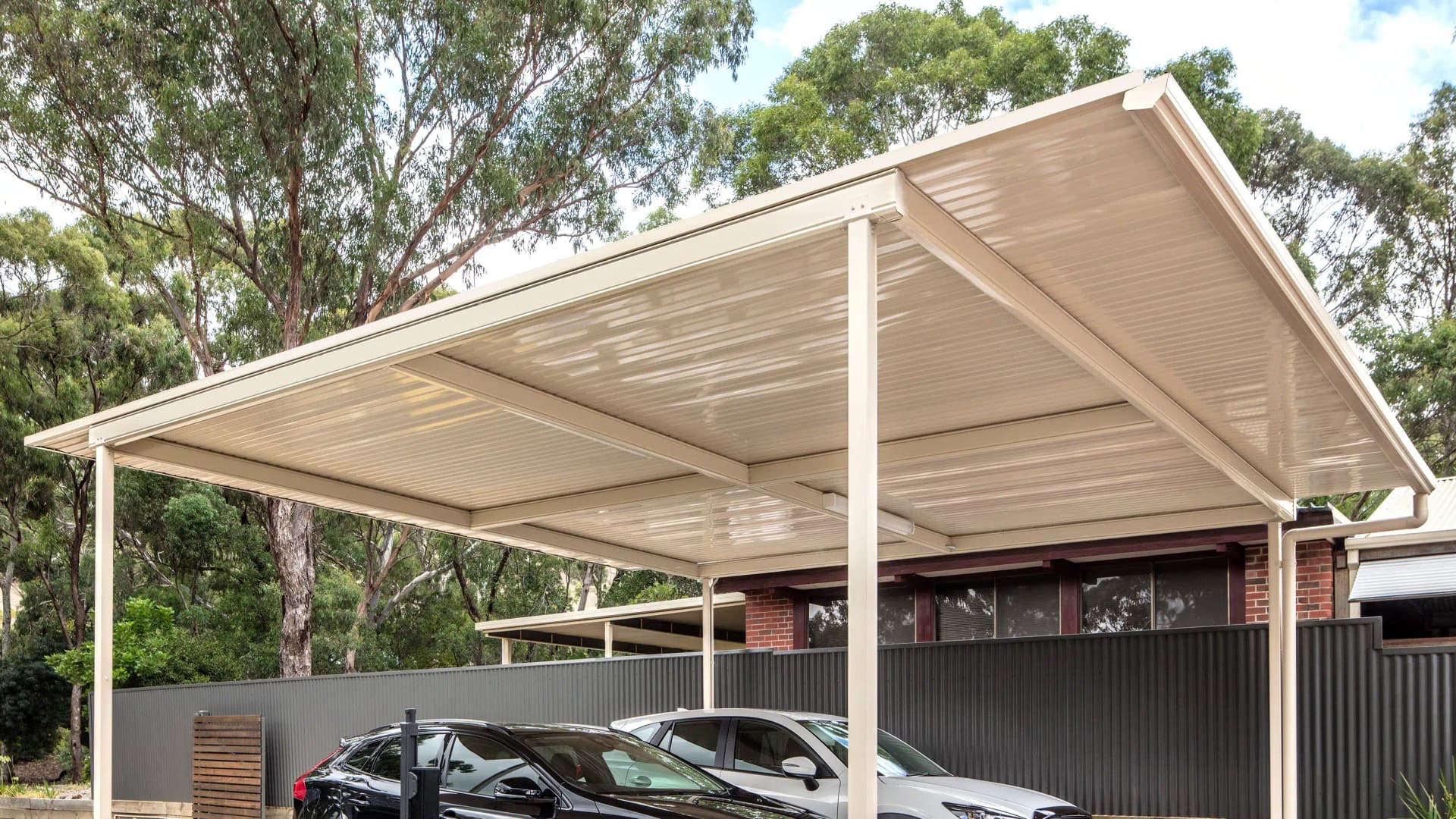
What To Look For In A DIY Patio Kit
When it comes to DIY patios, more and more options are becoming available on the market. Before you jump at the first offer, make sure you check that the product comes highly recommended and meets most of the criteria below.
- Certified quality that is engineer approved
- Assistance with council and building approvals
- Long-lasting, weather-resistant materials
- Friendly and helpful customer service from the supplier
- Locally manufactured products
- Reasonable pricing
- Options for materials, colours and design customisation
- Includes all components
- Pre-drilled parts
- Easy to follow instructions
THE DETAILS
Materials, dimensions, process.
Materials.
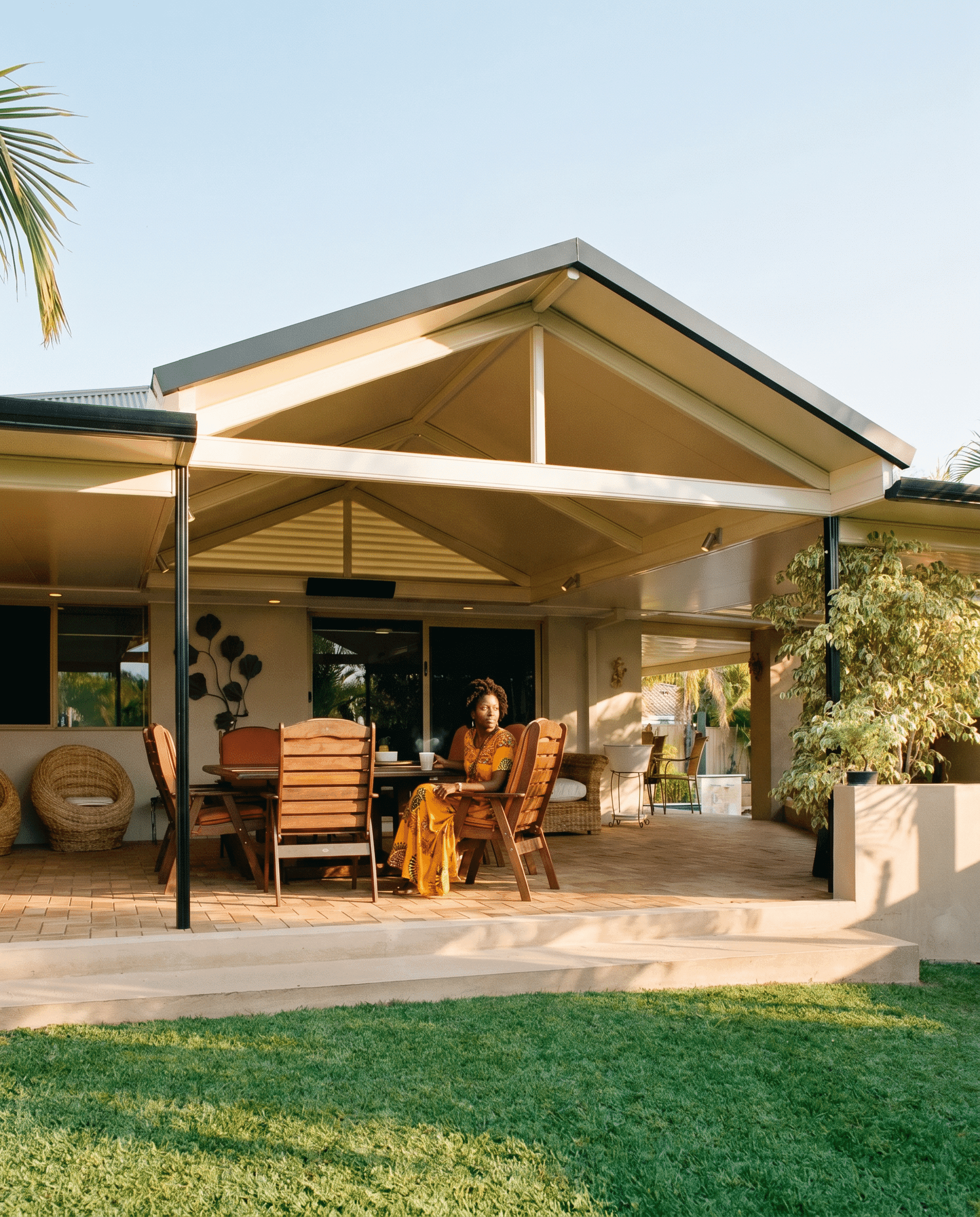
Australian-made BlueScope® steel posts, beams and roofing — finished in Colorbond®. Choose from flat, gable, skillion or dome roof styles. Insulated roofing options (SolarSpan® or Cooldek®) available for extra thermal performance.
Dimensions.
Fully custom — any footprint, height and colour. Submit your measurements and our design team lays out a compliant, buildable plan. Every component pre-cut and pre-drilled to those exact dimensions.
Process.
Call or enquire online with your measurements. Our design team prepares a layout and quote. Kit is fabricated in our Welshpool workshop and delivered to your door across Perth metro and regional WA — from Two Rocks to Margaret River. Most installs complete over a weekend or two.
NO SURPRISES
What's in the kit, and what you'll still need
Included in every kit
- Pre-cut, pre-drilled BlueScope® steel posts, beams and roofing
- All fixings, brackets and connection hardware
- Stamped structural engineering drawings for your council or certifier application
- Step-by-step installation instructions
- Colour-matched Colorbond® finish to your chosen style
Arranged separately
- Concrete slab or footings — poured to the engineering spec before your kit arrives
- Council or private certifier lodgement fees, paid directly by you
- Power tools (drill, level, ladder) — see our FAQ for what you'll need on site
- Optional extras like insulated roofing (SolarSpan® / Cooldek®) unless added to your order
Frequently asked questions
What is included in a DIY patio kit?
Our DIY patio kits include prefabricated steel posts and beams, roofing, fixings, brackets and detailed installation instructions. Everything is cut to size based on your design, so all you need to do is follow the plans and assemble the structure on site.
Do I need any special tools or building experience?
Our DIY patios are designed for competent DIYers who are comfortable using standard power tools such as a drill, ladder and level. You don't need to be a builder, but basic building knowledge and the ability to follow plans carefully is important for a safe and compliant install.
Can I handle council approval myself for a DIY patio?
Yes. Many customers choose to lodge their own application with council or a private certifier. We can provide engineering drawings and specifications for your kit, which you can submit as part of the approval process. If you'd prefer, speak to our team about options for extra assistance.
How long does it take to install a DIY patio kit?
Install times vary depending on the size and complexity of your design, your slab or footings, and how many helpers you have. As a rough guide, most DIY customers complete their patio over a weekend or two, allowing extra time for concrete to cure and for final finishing touches.
Can I customise the size, height and colour of my DIY patio?
Definitely. Every DIY kit is custom-made to suit your space. You can choose the footprint, height, roof style and colour to match your home. Our design team will work through your measurements and provide a layout that's practical, compliant and looks great.
What warranties do you offer on DIY patio kits?
Our DIY patios use quality Australian-made materials backed by manufacturer warranties on the steel and roofing. As long as the structure is installed according to the supplied plans and relevant standards, your patio will be covered by these warranties for long-term peace of mind.
A DIY patio kit is the most cost-effective way to get a quality patio — factory-direct pricing, no labour markup, and the satisfaction of building it yourself. Here's what makes our kits worth choosing.
Cost-effective solution
- Eliminate costly installation fees that can add thousands to the total price
- No middlemen or retail markups — access to premium Australian-made materials at wholesale rates
- Transparent pricing with no surprise fees — all necessary materials included
- Work at your own pace, spreading out the project over a weekend or two
Save on energy and maintenance long-term
- Colorbond® steel and insulated roofing options lower cooling costs by providing shade and reducing indoor temperatures
- Corrosion-resistant materials that won't deteriorate quickly — fewer repairs, lower long-term costs
- Add value to your property without costly renovations — attract buyers looking for functional outdoor living spaces
Fully customisable to your home
Every DIY kit is made to your specifications — footprint, height, roof style (flat, gable, skillion or dome), and Colorbond® colour. Make sure your kit matches your existing structures before ordering.
Our design team will work through your measurements and provide a compliant layout. You can also choose from insulated roofing options (SolarSpan® or Cooldek®) for added thermal performance.
Delivery across Perth and regional WA
We deliver DIY patio kits to your door across the entire Perth metro area — from Two Rocks in the north to Margaret River in the south — and throughout regional WA.
Get a free onsite measure and quote
Not sure what kit you need? Our team can help you design your DIY patio to your exact dimensions and deliver it to your door.
Get a Free QuoteCHOOSE YOUR STYLE
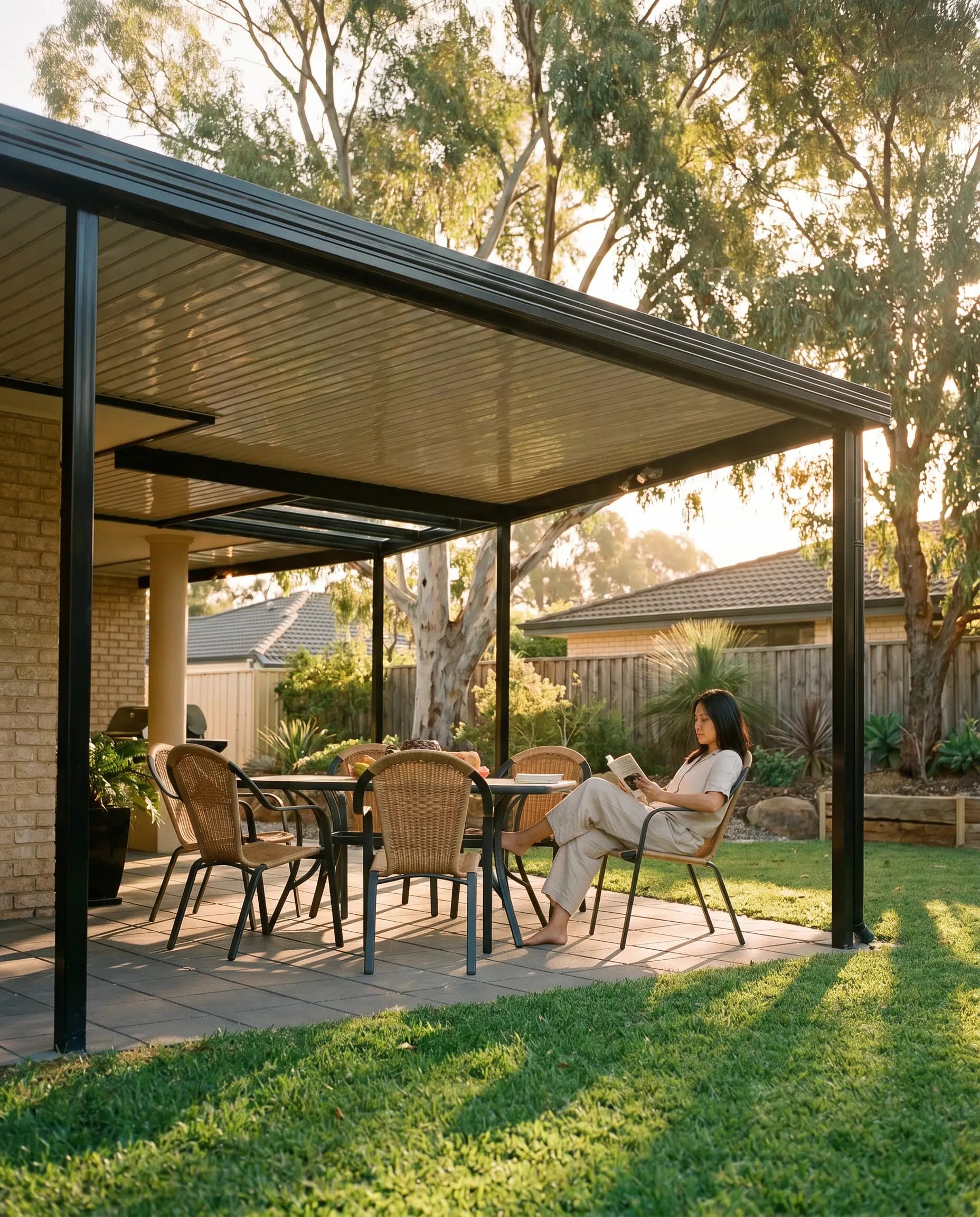
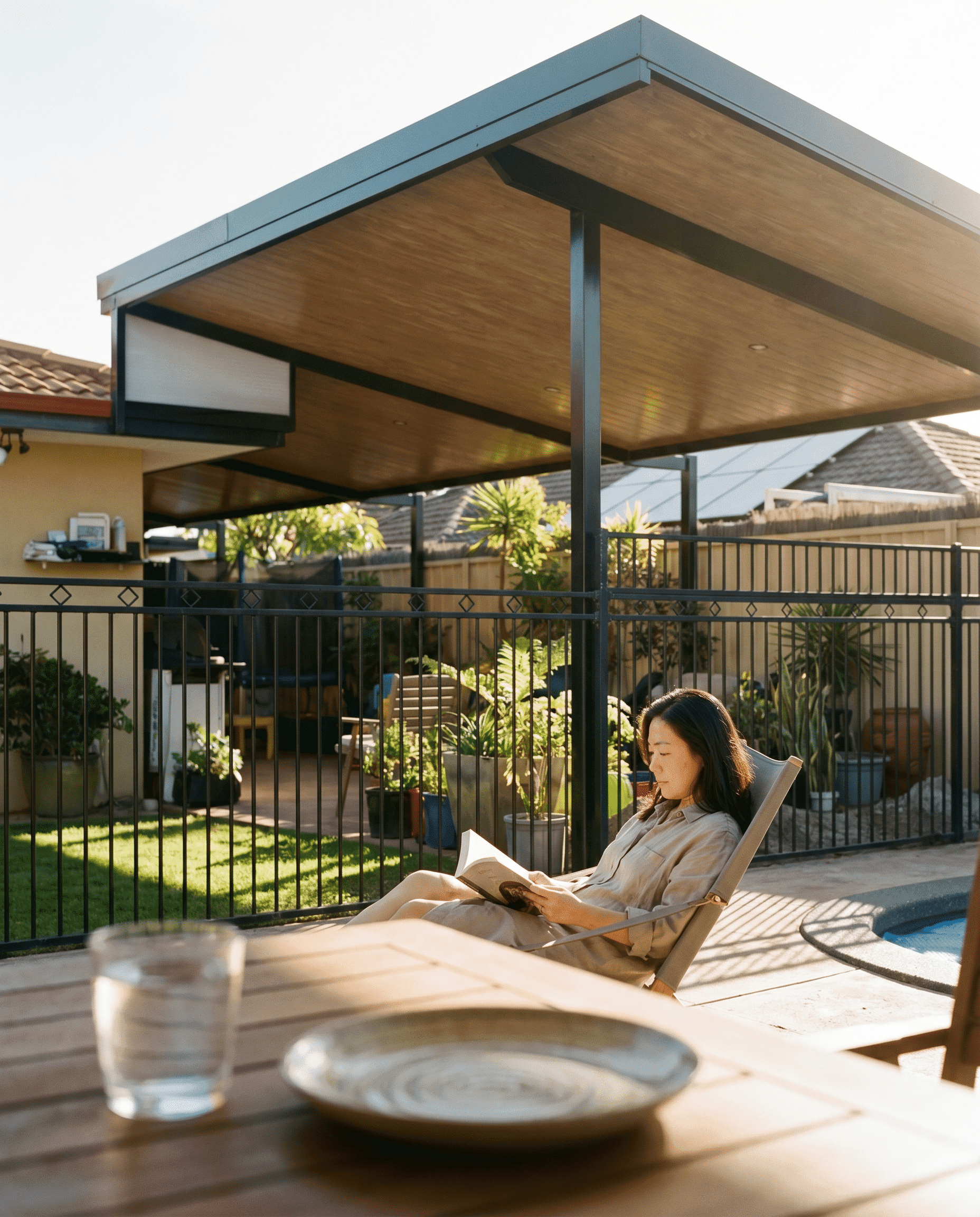
Which DIY patio style suits your home?
Ready to build your own patio?
Call us on 08 9451 5777 or request a free measure and quote — we'll design your kit and deliver it to your door.
Get a free quote