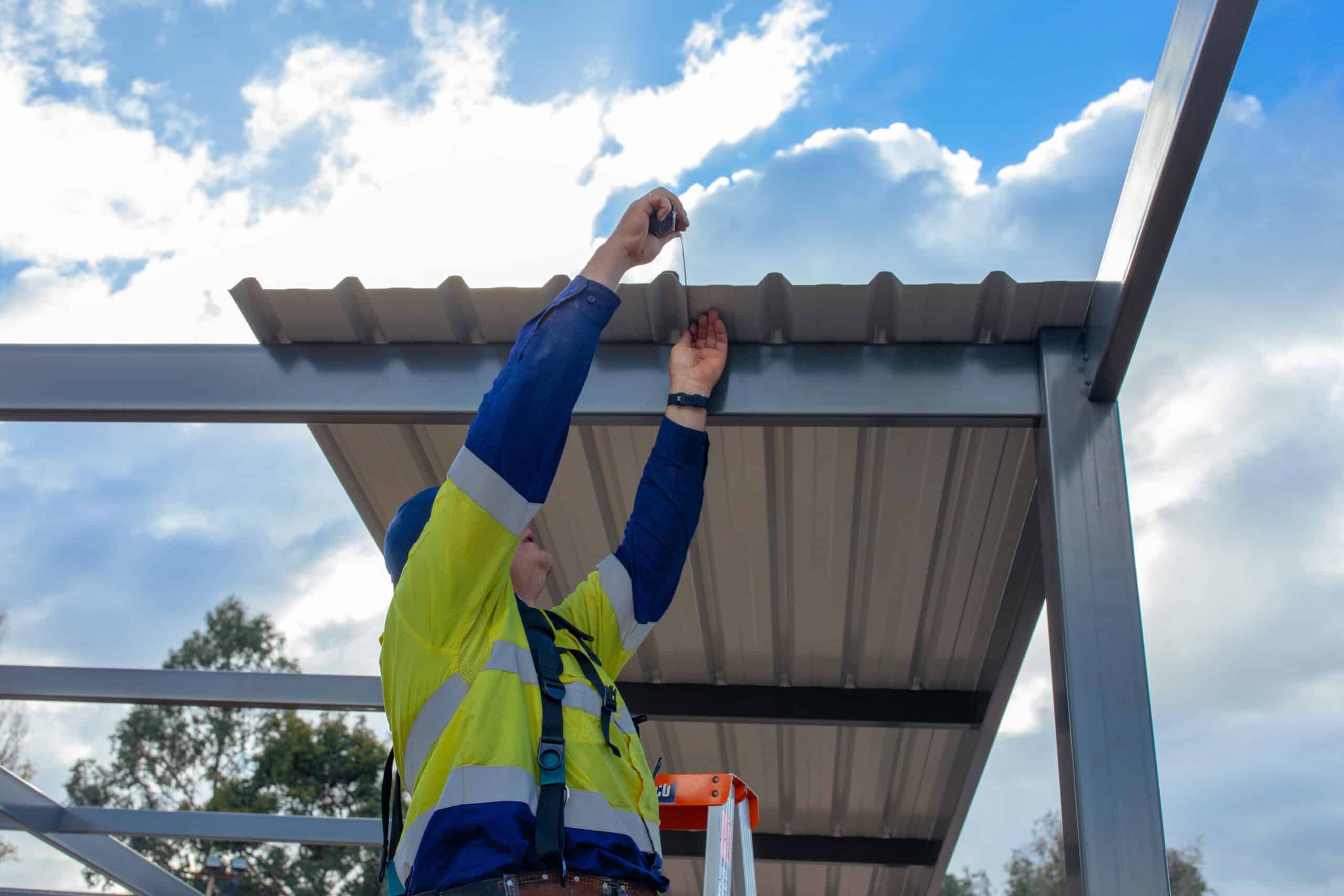
Changes or modifications can feel like a small request when you are picturing the perfect outdoor space, but once a patio design is approved, even “simple” updates can have a big ripple effect. At Patio Factory, the goal is to lock in a design that is accurate, compliant, and ready to build, because big alterations after approval often create extra steps that slow the project and add cost.
When customers ask for changes or modifications after the initial design is signed off, the team will look at what is being requested and how it impacts engineering, approvals, materials, and the construction schedule. In many cases, the preference is to avoid major alterations, because they can trigger a full re-check of structural details and, depending on your local requirements, re-approval that pushes timelines out.
Why Big Design Changes Matter
Once your design is finalised, it is not just a sketch. It becomes a set of build-ready documents that guide engineering, ordering, fabrication, and installation. If changes or modifications affect the span, roof pitch, attachment points, posts, beams, or overall footprint, the structure may need to be recalculated to ensure it meets relevant standards and site conditions.
That rework can mean updated drawings, revised load calculations, and changes to components that may already be ordered or in production. It also introduces scheduling challenges if your installation slot needs to shift to accommodate re-engineering or revised lead times.
Approvals, Compliance, And Re-Submission
Many patio projects involve compliance checks and, in some cases, council approvals. The more a design shifts, the more likely it is that documents need to be reissued or re-submitted. changes or modifications that alter height, boundary offsets, roof type, or total size can change the compliance picture entirely.
This is why Patio Factory tries to minimise major post-approval changes. It is not about being inflexible, it is about protecting you from avoidable delays and surprise costs caused by restarting steps that were already completed.
What Counts As Minor Vs Major?
Not every request is a deal-breaker. The difference is usually whether the request affects structure, approvals, or production.
- Minor adjustments might include small aesthetic choices like colour selection, downpipe positioning, or minor finishing preferences, depending on where the project is in the workflow.
- Major changes often include resizing the structure, altering the roof style, moving post locations, changing attachment methods, or modifying the layout in a way that impacts engineering.
If changes or modifications are cosmetic and do not require re-engineering, they may be easier to accommodate. If they change the structural intent, they can quickly become a new project scope.
How Patio Factory Manages Requests After The Initial Design
When a customer requests changes or modifications after the initial design, Patio Factory typically follows a practical evaluation process:
- Review the request and identify whether it affects structure, compliance, or manufacturing.
- Check the project stage, because changes are easier before ordering and fabrication begins.
- Estimate the impact on engineering, approvals, materials, and scheduling.
- Provide clear guidance on whether the change is recommended, and what it may mean for cost and timeframe.
This approach keeps expectations realistic and helps customers make informed decisions. It also protects build quality by reducing last-minute changes or modifications. Patios must be engineered properly, especially with Australian weather conditions in mind, including wind considerations and rain management, so avoiding major changes or modifications helps keep the project compliant, safe, and on schedule.
Timeline And Cost Impacts You Should Expect
The reason Patio Factory discourages major changes is simple: they can significantly impact timeline and cost. changes or modifications can introduce:
- Re-engineering fees if structural calculations must be updated
- Redrawing time for revised plans and documentation
- Approval delays if re-submission is required
- Material waste or restocking costs if components were already ordered
- Installation rescheduling if the build slot is affected
Even when everyone moves quickly, updated engineering and approvals can add weeks, especially during busy seasons. The earlier a change is requested, the more likely it is to be manageable, but once the project is in production or locked into an install schedule, it becomes far more disruptive.
How To Get It Right The First Time
The best way to avoid headaches is to treat the initial design stage as the time to explore options and lock in decisions confidently. changes or modifications are far less likely when you do a bit of planning upfront:
- Think through how you will use the space: entertaining, outdoor dining, shade, weather protection, or all of the above
- Consider the sun and wind: orientation can shape roof style and coverage
- Plan furniture and movement zones: leave room for seating, BBQs, and clear walkways
- Check practical needs: drainage, lighting, ceiling fan locations, and access points
- Ask questions early: if you are unsure about roof type, spans, or finishes, bring it up before approval
When you invest time here, you are far more likely to approve a design you will love long-term, without needing last-minute revisions.
Best Practice: Keep Decisions In Writing
One of the easiest ways to prevent misunderstandings is to document choices clearly. changes or modifications tend to happen when details are discussed casually and not captured properly. A simple habit helps:
- confirm selections (colour, roof profile, posts, gutters) in writing
- keep a single list of must-haves versus nice-to-haves
- request an updated summary when any detail changes
- review the final drawings carefully before sign-off
This keeps everyone aligned and reduces the chance of an “oh, I thought we were doing that other option” moment after the project is already underway.
Smart Design Choices That Reduce Future Change Requests
Many customers request changes or modifications because they discover something practical later, like water runoff, insufficient coverage, or wanting more shade. A few smart design considerations can reduce that risk:
- Choose coverage that matches your lifestyle: a slightly larger roof area can feel dramatically more usable
- Plan for weather: consider how rain will run off the roof and where downpipes will discharge
- Allow for future upgrades: lighting, heaters, and fans are easier when allowance is made early
- Think resale appeal: clean lines, practical coverage, and cohesive colours tend to age well
A patio should look great on day one and still feel right years later, so designing with the future in mind is a win.
Finance And Contract Considerations
If you are using a finance option, timing and scope matter. changes or modifications may require updated paperwork or revised pricing depending on how the project is structured and when approvals occur. The simplest approach is to keep the scope stable once you move past the design approval stage.
Before committing, make sure you understand what is included, what is fixed, and what would count as a variation if you decide to adjust the design later. That clarity helps you stay in control of both budget and timeframe.
Final Thoughts On Post-Approval Requests
At Patio Factory, the preference is to avoid major design shifts after approval because re-engineering and re-approval can quickly slow progress and increase costs. changes or modifications are best handled early, when the design is still flexible and before ordering or fabrication begins.
If you are thinking about a change, raise it as soon as possible. The earlier the team can assess the impact, the more options you will have. With the right planning upfront, you can approve a design with confidence and move into build mode excited, not stressed.