
In this article
Does a patio add value to your home? Short answer: usually, yes — but “usually” is doing a lot of work in that sentence. A patio adds value in Perth more reliably than in most other capital cities because of how we live here, but it isn’t a guaranteed dollar-for-dollar return, and a badly built or unpermitted one can actually cost you at sale time. Here’s how to think about it properly, from the builder’s side of the table rather than the marketing side.
Does a Patio Add Value to Your Home? The Short Version
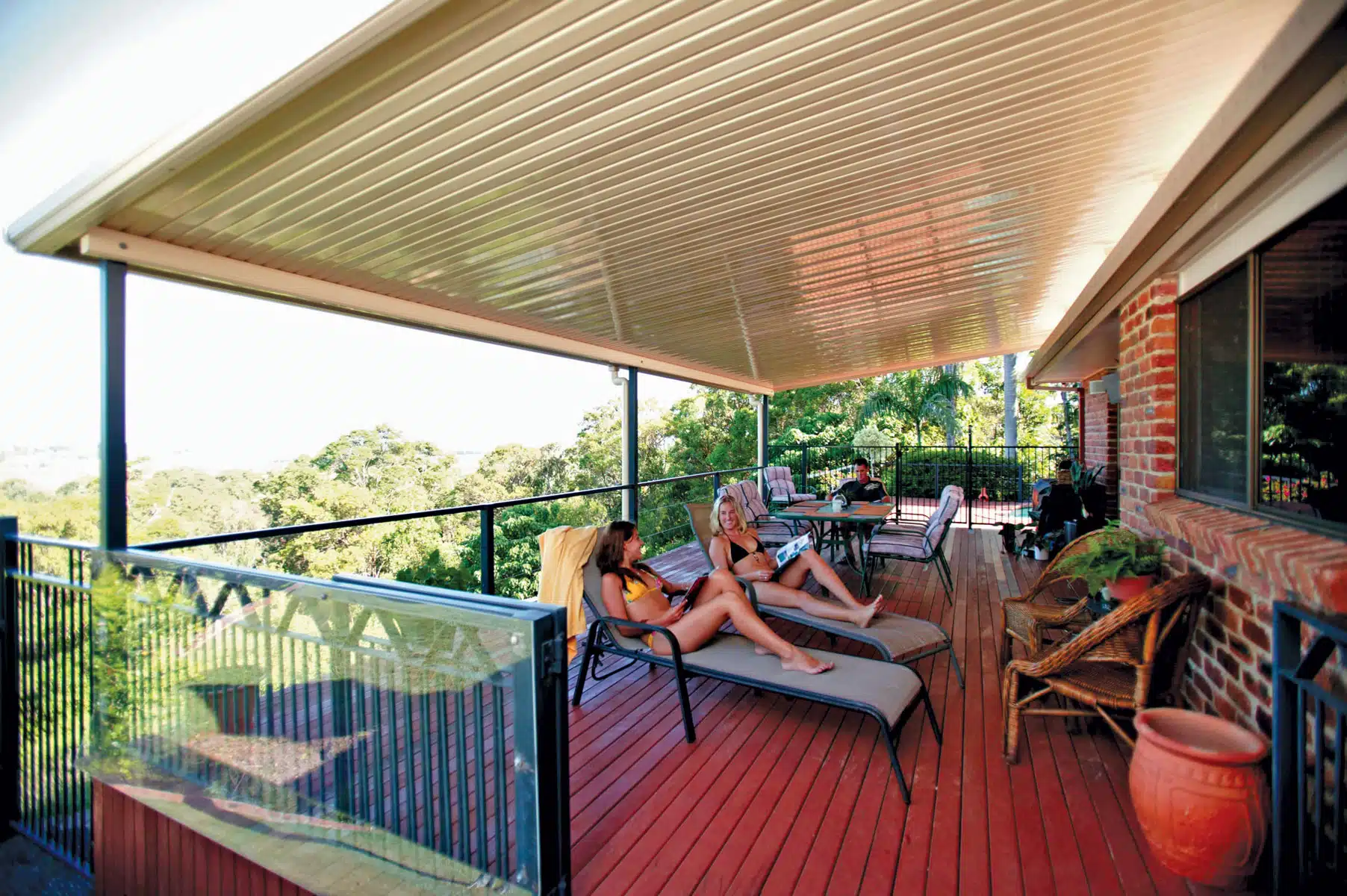
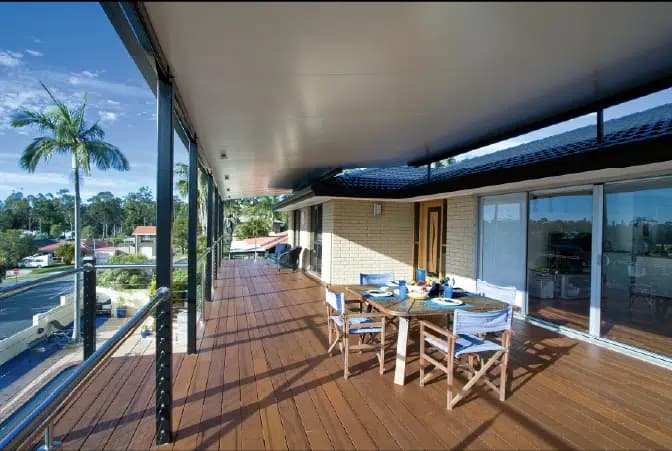
In Perth, a covered outdoor area isn’t a bonus feature the way it might be in Melbourne or Hobart — it’s closer to a baseline expectation. We get roughly eight months of the year where outdoor entertaining is genuinely comfortable, and buyers shop accordingly. A house with a decent patio or alfresco reads as “move-in ready for the lifestyle,” while a house without one reads as “you’ll need to spend more before you can actually use this block.” That gap in perception is where most of the value sits.

This is different from asking whether a patio adds a specific percentage to your valuation. It usually doesn’t work that cleanly. What it does is widen the pool of buyers who see your home as finished rather than as a project, and buyers pay more for finished.
How agents and valuers actually look at a patio
If you talk to a local selling agent or a bank valuer (see REIWA, WA’s own real estate institute, for how the local market frames outdoor living space) about outdoor structures, the conversation is rarely about the patio in isolation. It’s about a few specific things:
-
Covered area counts differently to open area — a paved courtyard is landscaping. A patio with a proper roof gets treated more like usable living space, especially if it’s attached to the house and accessible from an indoor living zone. That’s the main reason a patio tends to move the needle more than pavers or a pergola with no roof cover.
-
Condition and permanence over novelty — a solid, well-flashed steel patio with proper guttering reads as an asset. A DIY lean-to with sagging polycarbonate reads as a job the new owner will have to redo. Valuers and buyers both discount for visible wear and questionable workmanship faster than they credit for extra features.
-
Integration with the house — a patio that looks like it was designed with the home (matching roofline, colour-matched fascias, sensible flow from the kitchen or living room) adds more perceived value than one that looks bolted on as an afterthought.
-
Comparable properties in the street — if every other house on a similar block already has covered outdoor living and yours doesn’t, you’re not adding value so much as closing a gap. If you’re the first house on the street with one, you get more of a standout effect.
Why council approval matters more than most homeowners realise
This is the part that gets glossed over in a lot of “patios add value” content, and it’s the part that actually protects the value once you’ve spent the money.
An unpermitted patio in WA is a genuine liability at settlement, not just a technicality. Buyers’ conveyancers routinely check for building approvals during due diligence, and an undocumented structure can lead to a lower offer, a request to demolish or retrospectively approve it, or a finance hiccup if the bank’s valuer flags it. We’ve had customers come to us after buying a house with an unpermitted patio left by the previous owner, having to pay to get it certified — or removed — before they could refinance.
A patio built with a proper council-approved permit (or under the relevant WA building approval pathway for your local government area) does the opposite. It shows up cleanly on title searches, it satisfies a valuer without question marks, and it means the next owner isn’t inheriting a compliance problem. Every patio we build for a customer goes through the correct approval process for exactly this reason — it’s not paperwork for its own sake, it’s what keeps the improvement counted as an improvement rather than a risk.
Build quality vs. novelty features
There’s a temptation to chase novelty when planning a patio — fancy lighting packages, decorative screening, unusual roof shapes — on the theory that “more features equals more value.” In our experience, that’s the wrong order of priorities if resale is part of your thinking.
-
Structural material and workmanship come first — a steel-framed patio built to span correctly, with proper footings and flashing, will still be adding value in fifteen years. Cheaper timber-framed or poorly engineered structures often need repair or replacement well before then, at which point they’re a cost to the next owner, not a benefit.
-
Weatherproofing is what buyers actually notice — a patio that keeps rain out and doesn’t leak at the gutter line reads as quality. One with water stains or a roof that’s clearly ponding reads as a maintenance bill waiting to happen.
-
Sensible size and placement beat elaborate design — a patio proportioned to the outdoor area and positioned to actually get used (near the kitchen, protected from the prevailing westerly in summer) does more for value than an oversized or awkwardly placed one with more bells and whistles.
-
Extras are the finishing touch, not the foundation — things like café blinds, ceiling fans, or feature lighting genuinely help a home show well for sale, but they’re additions to a solid structure, not a substitute for one. If you want a rundown of which specific features tend to help most at sale time, we’ve covered that separately in our guide to patio features that boost home value.
What kind of return should you actually expect?
We’ll be straight with you: there’s no reliable published figure we’d stand behind that says “a patio adds X% to your home’s value in Perth,” and we’re wary of anyone who quotes one with confidence. Property values are driven by too many overlapping factors — location, land size, the rest of the house’s condition, the market at the time of sale — for a single renovation to have a fixed, universal return.
What we can say with more confidence, from watching how our customers’ homes have performed at sale over the years, is this: a well-built, compliant, well-integrated patio tends to at least protect its own cost and often contributes more than that, mainly by making the home more competitive against similar listings and reducing the “needs work” discount buyers apply mentally.
Where it adds the least is on homes that already have a generous covered outdoor area — you’re topping up something that’s already there rather than filling an obvious gap. Where it adds the most is on homes with no covered outdoor space at all, particularly family homes in the family-buyer price bracket, where outdoor entertaining is close to a must-have.
If you’re weighing this up financially, the sensible starting point is knowing what you’d actually spend — we’ve broken down how much a patio typically costs in Perth so you can compare that figure against what a realistic uplift in buyer interest is worth to you.
Enclosed patios are a different equation
Everything above is about a standard open or part-open patio. If you’re considering enclosing yours with glass, café blinds, or fixed walls to create something closer to an extra room, the value conversation changes — you’re now closer to adding floor area than outdoor area, which has its own set of trade-offs around approvals, ventilation, and how appraisers treat the space. We’ve written about that specifically in can a patio enclosure really add value to your home, worth a read if that’s the direction you’re leaning.
And if you’d rather read the broader case for outdoor living space as a value-adding renovation, our earlier piece on how patios add value to your home covers the general narrative in more depth.
Conclusion
A patio is one of the more dependable renovations for a Perth home specifically because of how central outdoor living is to the way people here actually use their houses. But the value isn’t in the structure existing — it’s in the structure being solidly built, properly approved, and sensibly designed for the block it sits on. Skip any of those and you’re not adding value, you’re just adding a structure that happens to be outdoors.
If you’re weighing up a patio for your own home and want a straight answer on what it would cost and what it would realistically do for your property, get in touch with our team at The Patio Factory for a free measure and quote.
Check out our social media
In this article
Ready for your dream patio?
Get a free design consultation and quote from Perth's most trusted patio builders.
Book a free onsite consultationCall 08 9451 5777Related articles
Ready to picture it in your own backyard?
Read all you like. When you want real answers for your block, we'll come to you.
Book a free onsite consultation