coatings or treatments can make a major difference when it comes to protecting a patio in coastal areas. Homeowners who live near the coast often face harsher conditions than those further inland, and that can have a direct impact on how long outdoor structures last. Salt in the air, strong winds, moisture, and constant exposure to the elements can all place added pressure on patio materials over time. That is why many customers want to know whether there are special coatings or treatments available to help protect their investment.
At Patio Factory, the answer is yes. In areas with high salt exposure, an epoxy coating process is used to help protect the steel frames. This is an important step because coastal conditions can be far more demanding than standard suburban environments. A patio in a coastal location should not only look great when it is first installed, but also continue to perform well after years of weather exposure. By understanding how coatings or treatments work, homeowners can make more informed choices about the patio design, materials, and protective measures that best suit their location.
Why Coastal Conditions Are Tougher On Patios
One of the first things homeowners should understand is that coastal environments create extra challenges for outdoor structures. A patio near the coast is exposed to salt-laden air, which can be much harsher on building materials than ordinary inland conditions. Over time, this added exposure can affect the appearance and performance of the structure if the right protective steps are not taken.
This is why coatings or treatments matter so much in coastal areas. A patio that performs well in one location may need additional protection in another. It is not simply a matter of choosing a strong material and assuming that will be enough. The surrounding environment plays a big role in long-term durability, and coastal properties demand a more considered approach.
Homeowners often focus first on patio style, roof type, or colour selection, which is understandable. However, if the home is located near the coast, protective planning should sit alongside those design decisions from the very beginning.
Why Steel Protection Matters
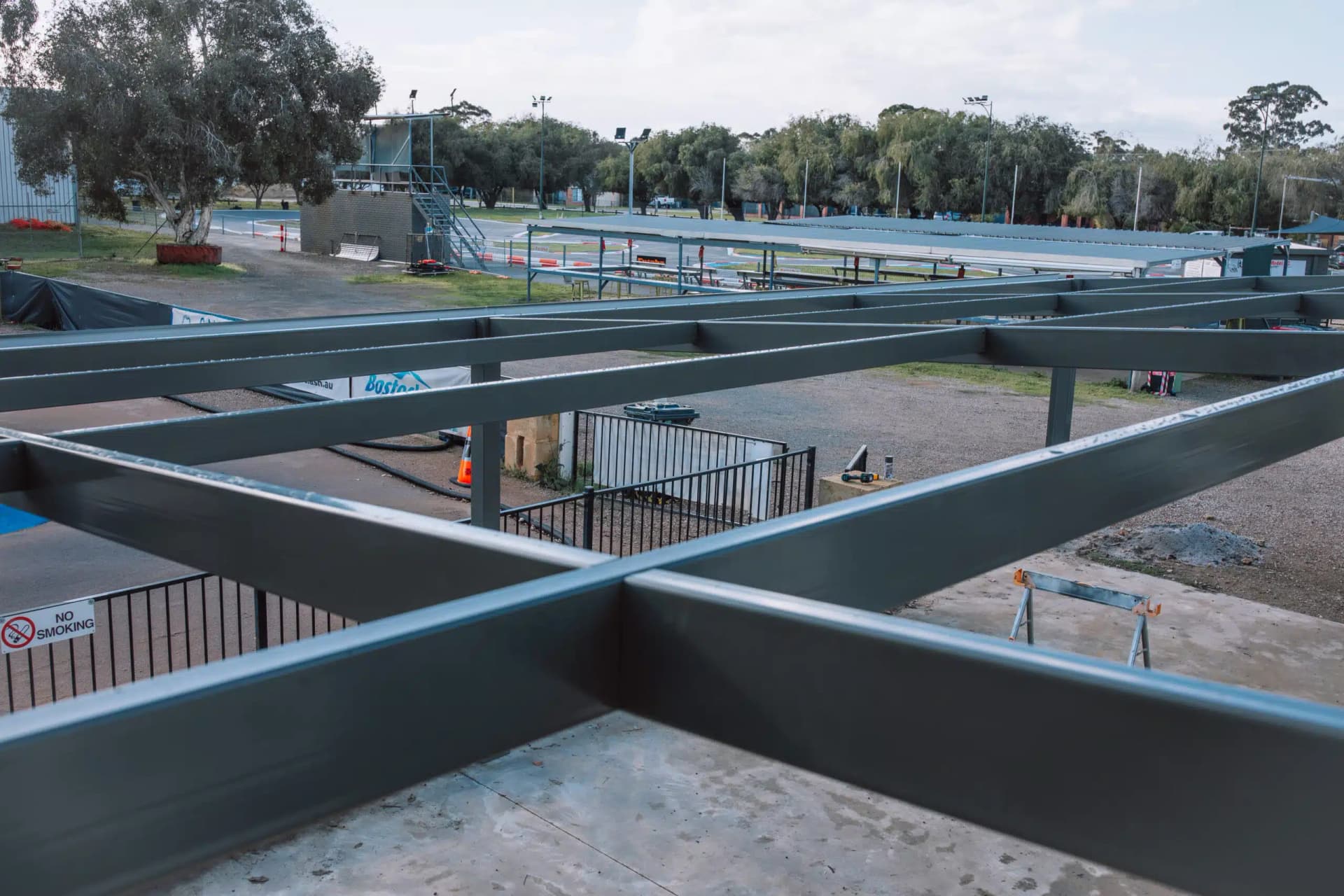
Patio Factory uses steel construction for its patios because steel offers strong durability and dependable structural performance. Steel is a practical choice for outdoor living structures, especially when homeowners want a clean, modern, and low-maintenance solution. However, like any outdoor material, steel performs best when it is suited to the environment in which it is being used.
That is where coatings or treatments become especially important. In coastal areas, protecting the steel frame is a key part of supporting the patio’s long-term lifespan. The goal is not just to create a patio that looks impressive on installation day. It is to create a structure that continues to deliver comfort, shelter, and style even when exposed to more demanding weather conditions.
By taking protective measures early, homeowners can feel more confident that their patio is being designed with their location in mind rather than using a one-size-fits-all approach.
What Patio Factory Uses In Coastal Areas
For homes in areas with high salt exposure, Patio Factory uses an epoxy coating process to help protect the steel frames. This is one of the most important coatings or treatments available for coastal patio applications because it is specifically aimed at improving protection where environmental exposure is higher.
For the customer, this means the patio is being built with added consideration for the realities of coastal living. Instead of overlooking the risks that come with salt-heavy air, the protection process acknowledges those conditions and responds accordingly. That kind of planning can make a meaningful difference in how the patio performs over time.
This is also reassuring for homeowners because it shows that durability is being taken seriously. A patio is a significant investment, and knowing there are coatings or treatments in place to help protect the frame gives added peace of mind.
Why Protective Measures Support Longevity
The main reason coatings or treatments are valuable is that they help extend the lifespan of the patio. Outdoor structures are always exposed to weather, but coastal conditions can accelerate wear if the patio is not properly protected. By using a suitable coating process, the structure is better prepared to handle the tougher environment around it.
Homeowners often ask how to get the best long-term value from a patio, and the answer usually comes down to three things: quality materials, strong design, and appropriate protection through the right coatings or treatments. Coastal patios need all three working together. A good-looking patio is important, but a patio that continues to perform and hold its appearance over the years is even better.
Protective steps such as epoxy coating help support that long-term outcome. They are not simply technical extras. They are a practical part of making sure the patio is suited to where it is being built.
Why Coastal Homeowners Should Ask Early
If your home is near the coast, it is wise to raise the topic of coatings or treatments early in the planning process. Many homeowners do not think about this until later, but protective needs should really be discussed before materials are finalised and manufacturing begins. That helps ensure the patio is designed with the right level of protection from the start.
This is especially important because no two sites are exactly the same. Salt exposure can vary depending on how close the home is to the coastline and how exposed the site is to wind and weather. By discussing location-specific conditions early, homeowners can make smarter decisions and avoid assumptions about what the patio will need.
The earlier these conversations happen, the more confident customers can feel about the finished result.
Protection Is Part Of Smart Patio Design
When people think about patio design, they often picture roof styles, colours, and optional features like lighting or insulated roofing. Those things matter, but smart patio design also includes choosing practical protection measures that suit the environment. In coastal areas, coatings or treatments should be part of that wider design conversation.
A great patio should balance style with performance. It should look right for the home, function well for everyday use, and stand up to the conditions around it. That is why protective coatings deserve just as much attention as aesthetics in a coastal build. They support the long-term strength of the structure and help homeowners protect the value of their investment.
Good design is not only about what you can see. It is also about the decisions that help the patio last.
Maintenance Still Matters In Coastal Areas
Even with specialised coatings or treatments, ongoing care remains important. Coastal conditions are naturally more demanding, which means homeowners should still pay attention to how their patio is ageing over time. Regular maintenance and inspection can help support the protective measures already in place and make it easier to spot any issues early.
This does not need to be overwhelming. In most cases, it means being mindful of the environment and understanding that a coastal patio may benefit from a little more attention than one located further inland. The good news is that when strong protective steps and the right coatings or treatments are built into the project from the beginning, maintenance becomes part of a sensible long-term approach rather than a constant concern.
This balance between upfront protection and ongoing care is one of the smartest ways to support patio performance in coastal locations.
Why Customers Value Extra Protection
Customers are often very interested in any coatings or treatments that can help extend patio life, especially if they have seen how the coastal environment affects other outdoor features around the home. When a company can offer a practical solution for salt exposure, it adds confidence to the buying decision.
A patio is more than a structure. It is part of how a homeowner enjoys outdoor living, entertains guests, and improves the value and comfort of the property. That is why buyers want reassurance that the patio is not only stylish and functional, but also built with local conditions in mind.
Extra protection helps meet that expectation. It shows that the project is being approached with care, foresight, and an understanding of what the environment demands.
The Right Protection Starts With The Right Team
Choosing a patio builder is not just about who can install the structure. It is also about who understands the materials, site conditions, and protective needs that can affect long-term performance. In a coastal area, that understanding becomes even more important.
A team that recognises the value of coatings or treatments and knows when to apply them brings added value to the project. Homeowners benefit because they are guided towards solutions that fit the site rather than generic answers that may not offer the same level of protection.
This is where professional design, clear communication, and location-aware planning can make a real difference. When those elements come together, the result is a patio that feels better prepared for the conditions it will face.
Build For Coastal Conditions With Confidence
coatings or treatments are an important part of planning a patio for a coastal home. In areas with high salt exposure, protective steps such as Patio Factory’s epoxy coating process can help safeguard the steel frame and support better long-term durability. That matters because coastal patios need to do more than look good. They need to hold up well in a tougher environment.
When homeowners understand the role of coatings or treatments, they can approach the project with greater confidence and make smarter decisions from the beginning. Combined with durable steel construction, thoughtful design, and good maintenance habits, the right protective measures can help create a patio that stays attractive, practical, and enjoyable for years to come.
Ready To Protect Your Coastal Patio Investment?
If you are planning a patio for a coastal property, it is worth making sure the right coatings or treatments are part of the conversation from the start. Patio Factory can help you choose a patio solution that not only suits your home and lifestyle, but also responds to the demands of coastal conditions.
Call Patio Factory on (08) 9451 5777 or email to speak with the team and start planning a patio built for lasting performance.