
In this article
Why Existing Structures Matter In Patio PlanningPatio Factory Focuses On The Patio ItselfWhy Separate Responsibilities Are ImportantDecking Often Needs Its Own ContractorDrainage Is Another Separate ConsiderationExisting Structures Can Affect Design DecisionsGood Planning Helps Avoid DelaysWhy Homeowners Should Ask Questions EarlyA Better Outcome Comes From Clear BoundariesPlan Your Patio With ConfidenceReady To Plan Your Patio The Right Way?
Existing structures can have a big impact on the way a new patio is planned, designed, and installed. Many homeowners assume that adding a patio to an outdoor area with decking, nearby buildings, or other features will be a straightforward process. In reality, existing structures can introduce extra considerations that need to be managed carefully from the beginning.
Patio Factory focuses on the patio installation itself and does not typically get involved in modifying or integrating with existing structures. For related works such as decking or drainage, customers are generally advised to work with other contractors. That separation of responsibilities is important because it helps define the scope of the patio project clearly and reduces the risk of confusion during construction.
For homeowners, this is an important point to understand early. A patio can still be a fantastic addition to a home with existing structures nearby, but the project needs proper planning and realistic expectations. The more clearly everyone understands who is responsible for which part of the work, the smoother the overall process is likely to be. This makes it easier to protect timelines, control costs, and achieve a final result that feels well considered and professionally managed.
Why Existing Structures Matter In Patio Planning
The reason existing structures matter so much is that they can affect access, design, measurements, installation, and how the patio fits into the surrounding space. A patio is not built in isolation. It needs to respond to the home, the block, and anything already in place around it. That means nearby decks, retaining features, roofing lines, paved areas, or external buildings can all influence the design approach.
Homeowners often picture the patio as the main project, but when existing structures are involved, the surrounding features become part of the planning discussion too. A patio may need to sit alongside a deck without actually being attached to it. It may need to provide cover near a building while still keeping the scope of works separate. These details can shape how the patio is positioned and what other trades may need to be involved.
This is why early site planning is so valuable. A well-planned patio project takes existing structures into account before manufacturing and installation begin, rather than treating them as issues to work around later.
Patio Factory Focuses On The Patio Itself
One of the most important things for customers to understand is that Patio Factory concentrates on the patio installation itself. The company does not typically take on modifications to decks or other surrounding elements. That means if your project involves additional works beyond the patio, those items may need to be handled separately by the appropriate contractor.
This approach gives homeowners clarity. Rather than trying to combine multiple specialist jobs under one scope, Patio Factory keeps its focus on designing, fabricating, and installing the patio. That clear division helps reduce misunderstandings about what is included and what falls outside the patio build.
For customers, this is not a disadvantage. In fact, it can be a smart way to manage quality and responsibility. When each contractor handles the work that fits their area of expertise, the project can be more organised and easier to manage. Existing structures may still be part of the broader vision, but the patio component remains clearly defined.
Why Separate Responsibilities Are Important
When a patio project involves existing structures, separation of responsibilities becomes very important. This is because outdoor projects can quickly become more complex when multiple elements overlap. If one party is assumed to be handling decking, drainage, structural changes, or patio installation all at once, confusion can arise over what has been quoted, what has been approved, and who is accountable for each stage.
By keeping the patio installation separate, Patio Factory helps create a more manageable process. This allows customers to work with the patio team for the structure itself while engaging other specialists where needed for adjoining works. Existing structures can then be addressed by the right people rather than being folded into the patio scope in a way that may create risk later.
For homeowners, this kind of clarity can be extremely valuable. It helps avoid assumptions and encourages better communication from the outset. In any home improvement project, knowing exactly who is doing what is one of the best ways to reduce stress.
Decking Often Needs Its Own Contractor
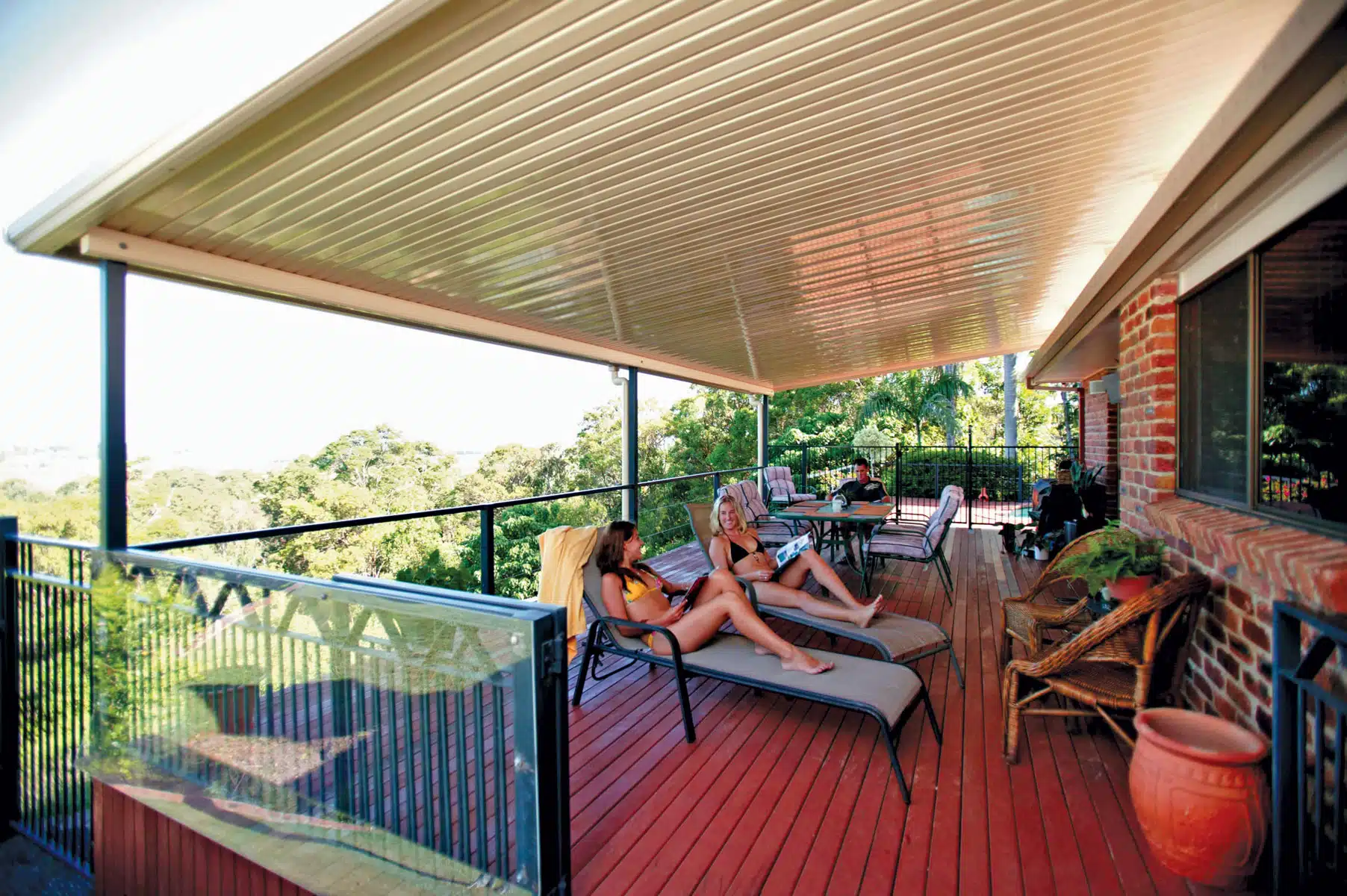
One of the clearest examples of this approach is decking. If a customer wants the new patio to sit over or beside a deck, that deck work is generally something to be handled by another contractor. Patio Factory focuses on the patio itself rather than altering or constructing the deck component.
This matters because decking and patio installation are not the same type of work, even though they may appear connected in the finished outdoor area. Existing structures such as decks can shape the look and use of the patio space, but they still need to be managed as their own project element. That ensures the deck can be planned, built, or adjusted with the correct methods and by the appropriate trade.
From a homeowner’s point of view, this is a practical distinction. It means the patio can be designed to complement existing structures like decks without requiring one contractor to take responsibility for everything around it.
Drainage Is Another Separate Consideration
Drainage is another area where existing structures can influence the patio project without necessarily falling under the patio builder’s responsibilities. Water flow, runoff, and surface conditions can all affect how the outdoor area performs, especially when a new roofed structure is introduced. However, drainage work itself may require a different contractor depending on the nature of the job.
This is important because homeowners sometimes assume that every issue connected to the patio area will be handled as part of the installation. In practice, drainage often sits outside the patio scope. Existing structures such as paving, surrounding surfaces, and nearby buildings may influence what drainage solutions are needed, but those solutions still need to be managed separately where required.
Understanding this early allows homeowners to plan properly. It also helps ensure the patio installation can proceed with fewer surprises once the project begins.
Existing Structures Can Affect Design Decisions
Although Patio Factory does not typically modify existing structures, those surrounding elements still matter during the design stage. A patio needs to sit comfortably within the available space and work visually with the home and backyard. That means nearby decks, walls, rooflines, or outdoor areas can all influence the best design solution.
For example, the size, shape, and placement of the patio may need to respond to existing structures so that the final result feels balanced and practical. Access points, sightlines, and how the patio connects to everyday living spaces all deserve careful thought. Even when the patio remains a separate installation, it should still feel like it belongs with the rest of the property.
This is one of the reasons detailed site checks are so useful. When existing structures are considered early, the design can be adjusted to create a better fit before manufacturing begins.
Good Planning Helps Avoid Delays
Any time a patio project involves existing structures, planning becomes even more important. If additional contractors are needed for decking, drainage, or related works, those tasks should be considered as part of the overall project timeline. Without proper planning, one stage of the work may hold up another or create frustration if responsibilities are misunderstood.
The best way to avoid this is to map things out clearly from the beginning. Know what Patio Factory is handling, know what another contractor is handling, and make sure the sequence of work makes sense. Existing structures can be incorporated into the broader outdoor vision successfully, but only when there is good coordination and clear communication between all parties involved.
For homeowners, this level of preparation can make the difference between a project that feels stressful and one that feels well managed.
Why Homeowners Should Ask Questions Early
Because existing structures can add complexity, it is wise for customers to raise these details as early as possible. If there is a deck, a building edge, drainage concern, or other nearby feature that may affect the patio, mention it during the initial planning discussions. The earlier these factors are identified, the easier it is to decide what belongs within the patio project and what will require separate support.
Asking the right questions early also helps avoid unrealistic expectations. Homeowners can make better decisions when they know in advance that some works may need another contractor. Existing structures do not prevent you from building a great patio, but they do make upfront clarity more important.
This approach supports smoother quoting, better planning, and a more predictable installation process overall.
A Better Outcome Comes From Clear Boundaries
There is real value in keeping project boundaries clear. Patio Factory’s approach reflects that. By focusing on the patio installation itself and leaving related works such as decking or drainage to other specialists, the process becomes easier to define and manage. This is particularly helpful when existing structures are already part of the site.
A patio project should feel exciting and manageable, not unclear or overloaded with assumptions. When responsibilities are separated properly, the patio can still be designed to work beautifully alongside existing structures without creating confusion over who is responsible for each part of the job.
That clarity supports better workmanship, better communication, and a better overall experience for the homeowner.
Plan Your Patio With Confidence
existing structures do not have to stand in the way of creating a beautiful and practical new patio. They simply need to be considered carefully as part of the planning process. When homeowners understand that Patio Factory focuses on the patio installation itself and that related elements like decking or drainage may need other contractors, the entire project becomes easier to manage.
The key is to think ahead, raise site details early, and make sure each part of the work is handled by the right specialist. With the right planning, a patio can sit comfortably alongside existing structures and still deliver the shade, style, and outdoor lifestyle benefits you want.
Ready To Plan Your Patio The Right Way?
If you are thinking about adding a new patio around existing structures, Patio Factory can help you plan the patio side of the project with clarity and confidence. Our team can guide you through the design and installation process so you understand exactly what is included and how your patio can work beautifully within your space.
Call Patio Factory on (08) 9451 5777 or email to start planning your outdoor area today.
In this article
Why Existing Structures Matter In Patio PlanningPatio Factory Focuses On The Patio ItselfWhy Separate Responsibilities Are ImportantDecking Often Needs Its Own ContractorDrainage Is Another Separate ConsiderationExisting Structures Can Affect Design DecisionsGood Planning Helps Avoid DelaysWhy Homeowners Should Ask Questions EarlyA Better Outcome Comes From Clear BoundariesPlan Your Patio With ConfidenceReady To Plan Your Patio The Right Way?
Ready for your dream patio?
Get a free design consultation and quote from Perth's most trusted patio builders.
Book a free onsite consultationCall 08 9451 5777Related articles
Ready to picture it in your own backyard?
Read all you like. When you want real answers for your block, we'll come to you.
Book a free onsite consultation